Sustainability is no longer just a trend—it’s a necessity. The concept of zero waste living helps individuals reduce their environmental impact by minimizing waste. At the heart of this lifestyle lies the 5 R’s of zero waste: refuse, reduce, reuse, recycle, and rot.
These five principles provide a simple yet powerful framework to cut down waste, conserve resources, and protect the planet. In this guide, we’ll break down each of the 5 R’s and show you how to apply them in your daily life.
What Are the 5 R’s of Zero Waste?
The 5 R’s of zero waste are a hierarchy of actions designed to reduce waste effectively. Instead of relying only on recycling, this approach prioritizes prevention first.
The Order Matters:
- Refuse
- Reduce
- Reuse
- Recycle
- Rot
This structure ensures you tackle waste at its source before managing it.
1. Refuse: Say No to Unnecessary Waste
The first step in the refuse reduce reuse recycle rot method is to refuse what you don’t need.
Why Refusing Matters
Refusing stops waste before it even enters your home. It reduces demand for unnecessary products and packaging.
Examples of Refusing
- Say no to plastic bags and straws
- Avoid free promotional items
- Decline excessive packaging
- Opt out of junk mail
Pro Tip
Carry reusable items like a shopping bag or water bottle so you can easily refuse single-use products.
2. Reduce: Minimize What You Use
After refusing unnecessary items, the next step is to reduce your consumption.
How Reducing Helps
By using fewer resources, you decrease waste generation and environmental impact.
Ways to Reduce
- Buy only what you need
- Choose quality over quantity
- Cut down on energy and water usage
- Simplify your lifestyle
Smart Strategy
Adopt a minimalist mindset—less consumption equals less waste.
3. Reuse: Extend Product Life
The third principle of the 5 R’s of zero waste is to reuse items as much as possible.
Why Reuse Is Important
Reusing reduces the need for new products, saving both resources and energy.
Creative Reuse Ideas
- Use glass jars for storage
- Repurpose old clothes into cleaning rags
- Repair instead of replacing items
- Buy second-hand products
Bonus Tip
Invest in reusable alternatives like cloth bags, metal straws, and refillable containers.
4. Recycle: Process Materials Responsibly
Recycling comes fourth in the refuse reduce reuse recycle rot hierarchy—because it requires energy and resources.
The Role of Recycling
Recycling converts waste into new materials, reducing landfill use.
Effective Recycling Tips
- Separate waste properly
- Clean recyclables before disposal
- Follow local recycling rules
- Avoid wish-cycling (guessing what’s recyclable)
Important Note
Recycling is helpful, but it should not replace reducing or reusing.
5. Rot: Compost Organic Waste
The final step in the 5 R’s of zero waste is to rot, or compost organic waste.
Why Composting Matters
Organic waste in landfills produces harmful methane gas. Composting turns it into nutrient-rich soil.
What You Can Compost
- Fruit and vegetable scraps
- Coffee grounds
- Eggshells
- Yard waste
How to Start
- Use a compost bin at home
- Try community composting programs
- Maintain a balance of green and brown waste
Benefits of Following the 5 R’s of Zero Waste
Adopting the refuse reduce reuse recycle rot approach offers multiple benefits:
Environmental Benefits
- Reduces landfill waste
- Lowers pollution
- Conserves natural resources
Financial Benefits
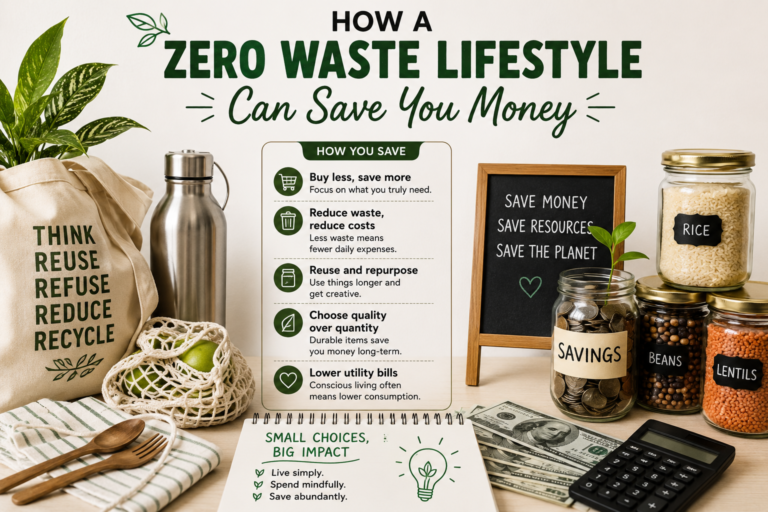
- Saves money by reducing purchases
- Encourages smarter spending
Lifestyle Benefits
- Promotes mindful living
- Reduces clutter
- Improves overall well-being
How to Start a Zero Waste Lifestyle
Transitioning to zero waste doesn’t have to be overwhelming. Start small and build gradually.
Simple Steps to Begin
- Carry reusable essentials
- Shop in bulk
- Avoid single-use plastics
- Support sustainable brands
Consistency Is Key
Focus on progress, not perfection. Even small changes can make a big difference.
Common Mistakes to Avoid
When adopting the 5 R’s of zero waste, avoid these common pitfalls:
- Relying too much on recycling
- Buying unnecessary “eco-friendly” products
- Trying to change everything at once
- Ignoring local waste management rules
Conclusion
The 5 R’s of zero waste—refuse, reduce, reuse, recycle, rot—offer a practical roadmap to sustainable living. By following this hierarchy, you can significantly reduce your environmental footprint and contribute to a healthier planet.
Start with small, manageable changes and gradually incorporate all five principles into your daily routine. Remember, every step toward zero waste counts.
FAQs About the 5 R’s of Zero Waste
1. What are the 5 R’s of zero waste?
The 5 R’s are refuse, reduce, reuse, recycle, and rot—a framework to minimize waste.
2. Why is “refuse” the first step?
Refusing prevents waste from entering your life in the first place.
3. Is recycling enough for zero waste living?
No, recycling is the last resort. Reducing and reusing are more effective.
4. Can I practice zero waste on a budget?
Yes, zero waste often saves money by reducing unnecessary purchases.
5. How do I start composting at home?
Begin with a compost bin and add organic waste like food scraps and yard waste.