In today’s fast-paced world, waste production is at an all-time high. As a result, more people are turning toward a zero waste lifestyle to reduce their environmental impact. This approach not only helps the planet but also promotes mindful living.
At platforms like zerowastelifestyle.com and thezerowastelifestyle, individuals can learn practical ways to transition into a sustainable and eco-friendly routine.
What Is a Zero Waste Lifestyle?
A zero waste lifestyle focuses on minimizing waste generation by reusing, recycling, and reducing consumption. Instead of sending trash to landfills, individuals aim to eliminate waste.
This lifestyle follows the 5 R’s principle:
- Refuse what you don’t need
- Reduce what you use
- Reuse what you can
- Recycle properly
- Rot (compost organic waste)
By following these principles, you can significantly lower your environmental footprint.
Why Choose a Zero Waste Lifestyle?
Adopting a zero waste lifestyle comes with multiple benefits:
1. Environmental Protection
Reducing waste helps decrease pollution and conserves natural resources.
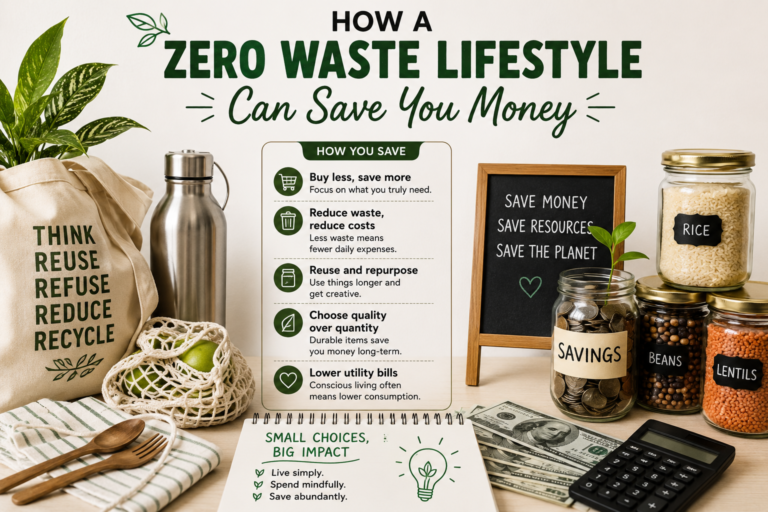
2. Cost Savings
Buying less and reusing items saves money over time.
3. Healthier Living
Using fewer chemicals and plastics leads to a healthier lifestyle.
4. Sustainable Future
Following insights from thezerowastelifestyle helps create a better future for upcoming generations.
How to Start a Zero Waste Lifestyle
Transitioning doesn’t happen overnight. However, small steps can make a big difference.
1. Conduct a Waste Audit
Analyze your daily waste to identify areas for improvement.
2. Switch to Reusable Products
Replace single-use items with reusable alternatives such as:
- Cloth bags
- Stainless steel bottles
- Glass containers
3. Shop Smart
Buy in bulk and choose products with minimal packaging. Many guides on zerowastelifestyle.com emphasize mindful shopping habits.
4. Compost Organic Waste
Composting reduces landfill waste and enriches soil.
5. Avoid Fast Fashion
Choose sustainable clothing brands and reuse outfits.
Essential Products for a Zero Waste Lifestyle
To adopt a zero waste lifestyle, consider investing in:
- Reusable grocery bags
- Bamboo toothbrushes
- Metal straws
- Beeswax wraps
- Refillable containers
These simple swaps reduce daily waste significantly.
Challenges of a Zero Waste Lifestyle
While rewarding, this lifestyle has challenges:
1. Initial Cost
Eco-friendly products may seem expensive at first.
2. Limited Availability
Not all regions have access to zero waste stores.
3. Habit Change
Breaking old habits takes time and effort.
However, resources like thezerowastelifestyle provide practical solutions to overcome these challenges.
Zero Waste Lifestyle Tips for Beginners
If you’re just starting, follow these tips:
- Start small and stay consistent
- Focus on progress, not perfection
- Educate yourself through zerowastelifestyle.com
- Support local and sustainable businesses
- Reduce plastic usage gradually
Impact of Zero Waste Living on the Planet
Adopting a zero waste lifestyle can:
- Reduce landfill waste
- Lower carbon emissions
- Protect wildlife
- Conserve resources
Every small action contributes to a bigger environmental impact.
Digital Resources for Zero Waste Living
Websites like:
- zerowastelifestyle.com
- thezerowastelifestyle
offer valuable tips, product recommendations, and community support for beginners and experts alike.
Conclusion
A zero waste lifestyle is more than just a trend—it’s a commitment to sustainable living. By making conscious choices and reducing waste, we can create a cleaner and healthier planet.
Start small, stay consistent, and use trusted resources like zerowastelifestyle.com and thezerowastelifestyle to guide your journey.
FAQs
1. What is the goal of a zero waste lifestyle?
The goal is to reduce waste production to as close to zero as possible.
2. Is zero waste expensive?
Initially, yes. But it saves money in the long run.
3. Can anyone adopt a zero waste lifestyle?
Yes, anyone can start with small changes.
4. How do I begin?
Start by reducing single-use plastics and switching to reusable items.
5. Where can I learn more?
You can explore platforms like zerowastelifestyle.com and thezerowastelifestyle for guidance.