In our throwaway culture, recycling has become more important than ever. But what exactly is recycling, and why should you care? Whether you’re an environmental enthusiast or just someone who wants to make a difference, understanding recycling is the first step toward creating a sustainable future. This blog explores everything you need to know about this critical environmental practice.
What is Recycling?
Recycling is the process of collecting, sorting, and processing waste materials—such as paper, plastic, glass, and metals—and transforming them into new products. Rather than sending these materials to landfills where they decompose and release harmful gases, recycling gives them a second life, reducing the need to extract and process raw materials from the Earth.
Think of it as nature’s version of upcycling. An old aluminum can becomes part of a new car. Discarded plastic bottles transform into new clothing. Used cardboard packaging becomes paper products. The possibilities are endless.
Why Recycling Matters: The Environmental Impact
Reducing Landfill Waste
Landfills are overflowing. Every year, millions of tons of waste end up in landfills, taking up valuable space and contributing to environmental degradation. Recycling diverts this zerowastelifestyle away from landfills, extending their lifespan and reducing the need for new landfill sites.
Conserving Natural Resources
Extracting raw materials from the Earth requires significant energy, water, and labor. Mining for metals, harvesting trees for paper, and drilling for oil are resource-intensive processes. By recycling, we reduce the demand for these virgin materials, preserving natural ecosystems and wildlife habitats.
Saving Energy
Producing items from recycled materials typically uses less energy than manufacturing from scratch. For example:
- Recycling aluminum uses 95% less energy than mining and processing new aluminum
- Recycling paper saves 60% of the energy needed to make new paper
- Recycling plastic saves about 70% of the energy required to manufacture new plastic
Reducing Greenhouse Gas Emissions
Manufacturing from recycled materials generates fewer greenhouse gas emissions than producing from virgin materials. By reducing emissions, recycling plays a crucial role in combating climate change.
Protecting Wildlife and Ecosystems
Less mining, logging, and drilling mean less habitat destruction. Protecting natural ecosystems ensures that wildlife populations thrive and biodiversity remains intact.
How the Recycling Process Works
Step 1: Collection
Recyclable materials are collected through curbside pickup programs, drop-off centers, or community recycling events. Consumers separate their waste into appropriate categories: paper, plastic, glass, and metals.
Step 2: Transportation
Collected recyclables are transported to recycling facilities, often in large trucks that consolidate materials from multiple collection points.
Step 3: Sorting
At the facility, materials are sorted by type using a combination of manual labor and automated systems. Magnets separate steel from other materials, optical scanners identify different types of plastic, and workers manually sort items that don’t fit automated processes.
Step 4: Processing
Once sorted, materials are cleaned, shredded, or melted into raw materials that manufacturers can use:
- Paper and cardboard are pulped and processed into new paper products
- Plastic is melted and formed into pellets used to create new plastic goods
- Glass is crushed and melted to make new glass containers or other products
- Metals are melted down to form new metal products
Step 5: Manufacturing
Recycled raw materials are sold to manufacturers who use them to create new products, completing the recycling loop.
Types of Recyclable Materials
Paper and Cardboard
Newspapers, magazines, office paper, cardboard boxes, and paper bags are all recyclable. However, soiled paper (greasy pizza boxes, for example) should not be recycled as it contaminates other materials.
Plastics
Most plastics are numbered 1-7. Types 1 (PET) and 2 (HDPE) are widely accepted in curbside programs. Higher numbers may be accepted at specialized facilities. Always check your local guidelines.
Glass
Glass containers such as bottles and jars can be recycled indefinitely without losing quality. However, ceramics, light bulbs, and window glass typically aren’t accepted in standard programs.
Metals
Aluminum cans, steel cans, and other metal items are highly recyclable and in high demand. Aluminum can be recycled over and over again.
Electronics
Computers, phones, and other electronics contain valuable materials but also hazardous substances. Many retailers and manufacturers offer take-back programs for e-waste.
Common Recycling Mistakes to Avoid
To ensure your recycling efforts are effective, avoid these common pitfalls:
- Wishcycling: Don’t recycle items just because you hope they can be recycled. Check your local guidelines first.
- Contaminating loads: Keep food, liquids, and hazardous materials out of recycling bins. Contaminated loads often end up in landfills.
- Plastic bags: Don’t put plastic bags in curbside recycling bins—they tangle in machinery. Take them to retailers that accept them.
- Unlabeled plastics: Only recycle plastic if you know its type. Unknown plastics contaminate batches.
- Non-recyclable items: Items like Styrofoam, used oil, and paint belong in hazardous waste facilities, not recycling bins.
What You Can Do: Practical Recycling Tips
1. Learn Your Local Guidelines
Recycling programs vary by location. Check your city or county’s website to understand what’s accepted in your area.
2. Reduce and Reuse First
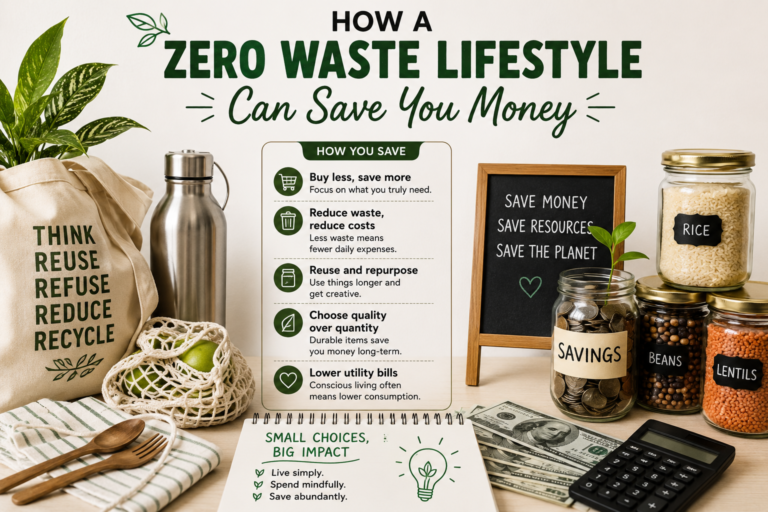
Remember the hierarchy: Reduce, Reuse, Recycle. The most sustainable option is not generating waste in the first place. Buy less, repair items, and reuse containers when possible.
3. Clean Your Recyclables
Remove food and liquids from containers to prevent contamination. You don’t need to wash obsessively—a quick rinse is sufficient.
4. Separate Materials Properly
If your program requires separation, make sure paper, plastic, glass, and metals are sorted correctly.
5. Educate Others
Spread awareness about proper recycling practices among family, friends, and colleagues.
6. Support Recycled Products
Buy products made from recycled materials to create market demand and complete the recycling loop.
7. Look for Alternative Programs
For items not accepted in curbside programs (electronics, textiles, hazardous materials), research local drop-off centers and take-back programs.
The Future of Recycling
As technology advances, recycling is becoming more efficient and capable of processing new materials. Innovations include:
- Advanced sorting technologies that can identify and separate materials more accurately
- Chemical recycling that breaks plastics down to molecular components for higher-quality recycling
- Textile recycling programs to address the growing problem of fast fashion waste
- Circular economy initiatives that encourage manufacturers to design products for recyclability from the start
Conclusion
Recycling is a powerful tool in our fight against environmental degradation and climate change. While it’s not a complete solution—reducing and reusing remain equally important—recycling plays a vital role in creating a more sustainable future. By understanding how recycling works, avoiding common mistakes, and making conscious choices about the products we buy and discard, we can all contribute to a healthier planet.