Understanding the Zero-Waste Concept
What Does Zero Waste Really Mean?
The phrase zero-waste lifestyle might sound extreme at first, almost like a rigid rulebook where nothing can ever be thrown away. But in reality, it’s far more flexible and practical than that. It simply means making conscious decisions to reduce the amount of waste you generate, especially waste that ends up in landfills or oceans. It’s about shifting your mindset from convenience-driven consumption to thoughtful and responsible living.
Think about your daily routine. From plastic packaging to disposable coffee cups, waste is everywhere. Now imagine replacing those habits with reusable alternatives. That’s where zero waste begins. It’s not about perfection; it’s about progress. Even small changes—like carrying a reusable bag or avoiding single-use plastics—can have a massive impact over time.
Zero waste also focuses on sustainability and resource efficiency. Instead of constantly consuming and discarding, it encourages a circular system where products are reused, repaired, or recycled. This mindset not only benefits the planet but also reshapes how we value the things we own. When you start seeing waste as a design flaw rather than an inevitability, your entire perspective changes.
The Evolution of Sustainable Living
Sustainable living has evolved significantly over the past decade, especially as environmental issues have become impossible to ignore. What once seemed like a niche lifestyle is now a global movement. In 2026, more people than ever are embracing eco-friendly habits, driven by awareness, innovation, and necessity.
The rise of zero waste is closely linked to growing concerns about climate change, pollution, and resource depletion. Governments, corporations, and individuals are all starting to realize that our current consumption patterns are not sustainable. The “take, make, dispose” model is being replaced by a more circular approach that prioritizes longevity and reuse.
Social media and digital platforms have also played a major role in spreading awareness. Influencers, environmental activists, and everyday people are sharing their journeys, making zero waste more accessible and relatable. It’s no longer about living off-grid or making drastic sacrifices—it’s about making smarter, more conscious choices in everyday life.
The Growing Global Waste Crisis
Plastic Pollution Statistics
The importance of a zero-waste lifestyle becomes crystal clear when you look at the scale of the global waste problem. Every year, the world produces billions of tons of waste, with plastic being one of the biggest contributors. A significant portion of this plastic is used once and then discarded, often ending up in landfills or the natural environment.
What makes plastic particularly dangerous is its longevity. Unlike organic materials, plastic does not decompose easily. It can take hundreds of years to break down, and even then, it turns into microplastics that contaminate soil, water, and air. These microplastics are now found everywhere—from oceans to drinking water—and even inside the human body.
This growing crisis highlights the urgent need for change. Recycling alone is not enough to solve the problem, as only a small percentage of plastic waste is actually recycled. The rest continues to accumulate, causing long-term environmental damage. This is why reducing waste at the source—through a zero-waste lifestyle—is so crucial.
Impact on Oceans and Wildlife
One of the most visible consequences of waste pollution is its impact on oceans and marine life. Millions of tons of plastic enter the oceans each year, creating massive garbage patches and harming aquatic ecosystems. Marine animals often mistake plastic for food, leading to injury or death.
Sea turtles, for example, frequently ingest plastic bags, mistaking them for jellyfish. Birds and fish are also affected, as microplastics enter the food chain. This not only threatens biodiversity but also has implications for human health, as we consume seafood contaminated with plastic particles.
Beyond marine life, waste pollution also affects land ecosystems. Animals can become trapped in discarded materials, and toxic substances can leach into the soil, affecting plant growth and water quality. These interconnected impacts make it clear that waste is not just an environmental issue—it’s a global crisis that affects all forms of life.
Environmental Benefits of Zero Waste
Reducing Landfill Waste
Landfills are one of the biggest environmental challenges we face today. As waste accumulates, it takes up valuable land and releases harmful gases like methane, which contribute to climate change. A zero-waste lifestyle helps reduce the amount of waste sent to landfills, easing this burden.
By focusing on reducing, reusing, and composting, individuals can significantly cut down their waste output. Organic waste, for example, can be composted instead of being thrown away, turning it into valuable soil nutrients. This not only reduces landfill waste but also supports sustainable agriculture.
When more people adopt zero-waste practices, the collective impact becomes substantial. Imagine millions of households reducing their waste by even 30%—the difference would be enormous. It’s a powerful reminder that small actions, when multiplied, can lead to meaningful change.
Lowering Carbon Footprint
Waste generation is closely linked to carbon emissions. From the production of goods to their transportation and disposal, every stage of the lifecycle contributes to greenhouse gas emissions. By reducing consumption, a zero-waste lifestyle helps lower your overall carbon footprint.
For example, choosing reusable products reduces the demand for manufacturing new items, which in turn conserves energy and resources. Similarly, buying local and unpackaged goods reduces transportation emissions. These choices may seem small, but they add up over time.
Living zero waste is like putting your carbon footprint on a diet. You’re cutting out unnecessary consumption and focusing on what truly matters. This not only benefits the environment but also creates a more sustainable and balanced way of living.
Economic Benefits of Zero Waste Living
Saving Money Long-Term
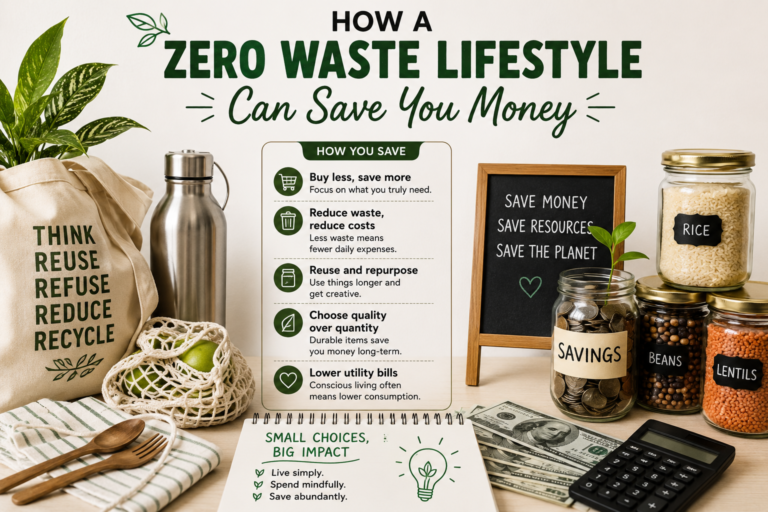
One of the most surprising aspects of a zero-waste lifestyle is how much money it can save you. At first glance, eco-friendly products may seem expensive. But when you consider their durability and long-term use, they often turn out to be more cost-effective than disposable alternatives.
Think about how often you buy items like paper towels, plastic bags, or bottled water. These recurring expenses add up quickly. By switching to reusable options, you eliminate these costs over time. It’s like making an investment that pays off month after month.
Zero waste also encourages mindful spending. Instead of impulse buying, you become more intentional about your purchases. This not only reduces waste but also helps you save money and avoid clutter. It’s a win-win situation for both your wallet and the environment.
Supporting Sustainable Businesses
Another economic benefit is the opportunity to support businesses that prioritize sustainability. As demand for eco-friendly products grows, more companies are adopting ethical practices and offering sustainable alternatives. By choosing these businesses, you contribute to a more responsible economy.
This shift in consumer behavior sends a strong message to the market. It encourages companies to reduce packaging, use renewable materials, and adopt environmentally friendly practices. In this way, your choices as a consumer can drive positive change on a larger scale.
Health Benefits of a Zero-Waste Lifestyle
Reduced Exposure to Toxins
Many everyday products contain harmful chemicals that can affect your health. From plastic containers to cleaning products, these toxins can accumulate over time and pose risks to your well-being. A zero-waste lifestyle often involves switching to natural and non-toxic alternatives.
For example, using glass containers instead of plastic reduces exposure to harmful substances like BPA. Similarly, homemade cleaning products made from simple ingredients like vinegar and baking soda are safer for both your health and the environment.
Cleaner Living Environment
Reducing waste also leads to a cleaner and more organized living space. When you own fewer items and generate less waste, your home becomes easier to maintain. This can have a positive impact on your mental health, reducing stress and creating a sense of calm.
Social Impact and Community Awareness
Influencing Others
Your actions can inspire others more than you might realize. When friends and family see you making sustainable choices, they may be encouraged to do the same. This ripple effect can lead to broader community awareness and change.
Building Sustainable Communities
Communities play a crucial role in promoting zero-waste practices. From local recycling programs to bulk stores and community gardens, collective efforts can make sustainable living more accessible. Being part of such initiatives strengthens social connections and fosters a sense of responsibility.
Common Misconceptions About Zero Waste
Many people believe that zero waste is too difficult, expensive, or time-consuming. In reality, it’s about making gradual changes that fit your lifestyle. You don’t need to overhaul your entire life overnight. Start small, stay consistent, and focus on progress rather than perfection.
How Individuals Can Make a Difference
Every individual has the power to create change. By adopting a zero-waste lifestyle, you reduce your environmental impact and contribute to a more sustainable future. Whether it’s refusing single-use plastics or supporting eco-friendly brands, your choices matter.
Conclusion
A zero-waste lifestyle is more than just a trend—it’s a necessity in today’s world. With growing environmental challenges, taking responsibility for our consumption habits is essential. By reducing waste, we protect the planet, save money, and improve our quality of life.
The journey may not be perfect, but every step counts. The importance of zero waste lies in its ability to create meaningful change, both individually and collectively. It’s a simple yet powerful way to build a better future for ourselves and generations to come.
FAQs
1. Why is zero waste important for the environment?
It reduces pollution, conserves resources, and minimizes landfill waste, helping protect ecosystems.
2. Can one person really make a difference?
Yes, individual actions collectively lead to significant global impact.
3. Is zero-waste living practical for everyone?
It can be adapted to different lifestyles and budgets, making it accessible to most people.
4. What is the biggest benefit of zero waste?
The biggest benefit is reducing environmental damage while promoting sustainable living.
5. How can beginners start a zero-waste lifestyle?
Start with small changes like using reusable items and reducing single-use plastics.