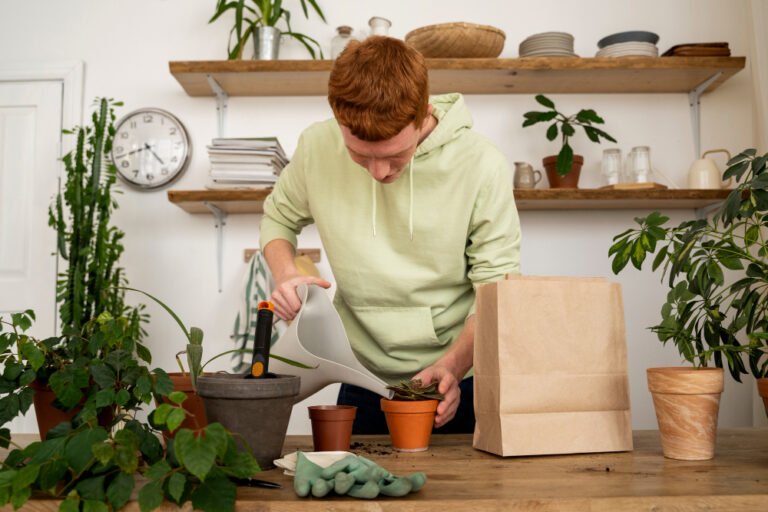
Living sustainably does not mean changing your entire lifestyle overnight. Small decisions, such as carrying a reusable shopping bag, choosing refillable products, and avoiding unnecessary packaging, can help reduce everyday waste. The best way to begin is by making simple changes that fit your routine and budget.
These 25 zero waste swaps for beginners will help you reduce single-use plastic, make more thoughtful purchases, and build environmentally responsible habits without making life complicated.
Whether you are starting your sustainability journey or looking for practical ways to improve your existing habits, these alternatives can make a difference over time.
What Are Zero Waste Swaps?
Zero waste swaps are simple replacements for disposable or waste-producing products with reusable, refillable, repairable, or longer-lasting alternatives.
For example, replacing disposable plastic water bottles with a reusable bottle is a straightforward zero-waste swap. Similarly, using cloth shopping bags instead of disposable plastic bags can reduce the number of bags you throw away.
The purpose is not to achieve absolutely zero waste. That may be difficult in modern life. Instead, the goal is to reduce unnecessary consumption, extend product life, and make better purchasing decisions.
25 Easy Zero Waste Swaps for Beginners
1. Replace Plastic Shopping Bags with Reusable Cloth Bags
Disposable shopping bags are often used briefly before being thrown away. Reusable cloth bags provide a practical alternative for grocery shopping, clothing purchases, and everyday errands.
Keep a few bags in your car, backpack, or near your front door so they are available when needed.
Why make this swap?
- Reduces reliance on disposable shopping bags.
- Can be reused many times.
- Makes carrying groceries easier.
- Helps develop a more sustainable shopping routine.
2. Switch to a Reusable Water Bottle
Buying bottled water regularly can create unnecessary plastic waste. A reusable stainless-steel or durable glass bottle is a convenient alternative.
Choose a bottle that suits your daily routine and is easy to clean. Refill it with safe drinking water whenever possible.
3. Use Reusable Coffee Cups
If you regularly purchase takeaway coffee, consider carrying a reusable cup. Many reusable cups are designed for hot and cold drinks.
Keep yours in your office, vehicle, or everyday bag. Remember to wash it regularly and check whether your preferred coffee shop accepts reusable cups.
4. Replace Disposable Paper Towels with Washable Cloths
Paper towels are convenient, but using them for every small cleaning task can generate considerable household waste.
Washable cotton cloths, old towels, and reusable cleaning rags can handle many everyday jobs.
Use separate cloths for kitchen surfaces, spills, and general cleaning. Wash them regularly and replace damaged ones when necessary.
5. Choose Reusable Food Storage Containers
Disposable plastic bags and single-use food packaging are common sources of kitchen waste.
Reusable glass or food-safe containers can store leftovers, prepared meals, snacks, and ingredients.
Look for containers with secure lids that fit your storage needs. Reusing suitable containers you already own is often better than purchasing a completely new collection.
6. Replace Plastic Straws with Reusable Alternatives
If you frequently use disposable straws, consider avoiding them when unnecessary or carrying a reusable alternative.
Stainless-steel and silicone straws are available, but they require proper cleaning. People who need flexible straws for accessibility or medical reasons should choose suitable options that meet their needs.
7. Try a Bamboo or Durable Reusable Toothbrush
Traditional toothbrushes often contain plastic components. Bamboo toothbrushes with replaceable or responsibly designed heads may offer another option.
However, check the bristle material and disposal instructions before buying. A toothbrush that lasts longer and is used properly can also help reduce unnecessary replacements.
8. Switch to Bar Soap
Liquid soap frequently comes in plastic bottles. Bar soap is commonly sold with less packaging, particularly when purchased in paper or cardboard wrappers.
Choose a soap that suits your skin and store it in a well-drained soap dish so it lasts longer.
9. Use Shampoo Bars
Shampoo bars are a popular alternative to bottled shampoo. They are usually compact and can reduce packaging waste.
Choose a formula suitable for your hair type. Keep the bar dry between uses to help prevent it from becoming soft and wearing out quickly.
10. Replace Disposable Makeup Remover Pads with Washable Pads
Reusable cotton or bamboo-fiber pads can replace many disposable makeup remover pads.
After use, wash them according to the manufacturer’s instructions and allow them to dry completely before storing.
This simple bathroom change can reduce the number of disposable pads purchased over time.
11. Carry Reusable Produce Bags
Fresh fruits and vegetables are often placed in thin plastic bags at grocery stores.
Reusable mesh or washable cloth produce bags provide another option. Carry a few when shopping and use them for suitable fruits and vegetables.
Some produce does not need an additional bag at all, so consider whether packaging is necessary before taking one.
12. Choose Refillable Cleaning Products
Many household cleaning products are sold in disposable plastic containers.
Refill stations, concentrated cleaning products, and refillable bottles can reduce packaging waste.
Before switching, check the manufacturer’s instructions and never mix cleaning chemicals. Use products appropriate for the surface being cleaned.
13. Use Reusable Food Wraps
Reusable food wraps, including washable fabric wraps and suitable silicone covers, can replace some single-use food coverings.
They are useful for covering bowls or wrapping certain food items. Check care instructions and food-safety recommendations before use.
14. Avoid Unnecessary Disposable Cutlery
Takeaway meals sometimes include plastic forks, spoons, knives, and other disposable items.
If you regularly eat away from home, carry a reusable cutlery set. You can also request that restaurants leave out disposable utensils when you do not need them.
15. Switch to Rechargeable Batteries
Disposable batteries are used in remote controls, toys, and many household devices.
Rechargeable batteries can be reused many times with a compatible charger. Select the correct battery type for your equipment and recycle batteries through suitable collection programs when they reach the end of their useful life.
16. Buy Secondhand Clothing
The fashion industry uses resources to produce, package, transport, and distribute clothing.
Buying secondhand garments can extend the life of existing products and reduce demand for newly manufactured items.
Explore thrift shops, clothing exchanges, resale websites, and community markets. Check the condition and quality before purchasing.
17. Repair Clothes Instead of Throwing Them Away
A small tear, missing button, or loose seam does not always mean clothing needs to be discarded.
Learn basic sewing skills or use a local repair service. Repairing clothes can extend their useful life and reduce unnecessary purchases.
18. Use a Reusable Lunch Box
Disposable food packaging can accumulate quickly when you regularly buy lunch outside.
A reusable lunch box can help you carry homemade meals, snacks, and leftovers. Choose a size that fits your daily routine and is easy to wash.
19. Choose Reusable Menstrual Products Where Suitable
Some people choose reusable menstrual products, such as menstrual cups, washable pads, or period underwear, as alternatives to disposable products.
The right choice depends on comfort, personal preference, accessibility, and health needs. Follow the manufacturer’s cleaning and replacement instructions.
20. Replace Disposable Razors with a Longer-Lasting Option
Disposable razors are commonly thrown away after a limited period of use.
A durable razor with replaceable blades can be an alternative. Handle blades carefully and follow local disposal guidance for used blades.
21. Use a Reusable Shopping and Storage Jar
Glass jars can be useful for storing dry foods, spices, grains, and leftovers.
Before buying new storage products, reuse suitable jars from products you already purchase. Clean them thoroughly and ensure they are appropriate for the intended food-storage purpose.
22. Compost Suitable Food Scraps
Food scraps such as fruit and vegetable peelings can often be composted rather than sent to landfill.
A home compost bin, community composting service, or suitable collection program may help you turn organic material into useful compost.
Learn which materials your chosen composting system accepts. Meat, dairy, oils, and other materials may require specialized systems.
23. Choose Digital Receipts When Practical
Printed receipts can create unnecessary paper waste, particularly when they are not needed for returns, warranties, or recordkeeping.
Choose digital receipts when available and keep important purchase records organized.
However, retain a physical receipt when required or when it is the more reliable option.
24. Borrow or Rent Items You Rarely Use
Not every product needs to be owned individually.
Tools, camping equipment, party supplies, books, and specialized appliances may be available through libraries, rental services, or community borrowing groups.
Borrowing can reduce unnecessary purchases and make better use of existing resources.
25. Choose Quality Products That Last Longer
Buying inexpensive disposable products repeatedly can create more waste over time.
When practical, choose durable products that can be repaired, maintained, or reused. Compare product quality, materials, warranty information, and expected lifespan before purchasing.
The most sustainable choice may be to continue using something you already own rather than replacing it.
How to Start a Zero Waste Lifestyle Without Spending Too Much
Starting a zero-waste journey does not require buying dozens of environmentally friendly products.
In fact, purchasing too many new items can work against the goal of reducing consumption.
Follow these practical steps:
Start with What You Already Own
Look around your home before purchasing anything. You may already have reusable shopping bags, containers, towels, bottles, and jars.
Use these items until they need replacing.
Replace Products Gradually
You do not need to change everything at once. When an everyday product runs out or becomes unusable, consider a more reusable alternative.
This approach helps avoid unnecessary spending.
Focus on Your Biggest Sources of Waste
Observe what you throw away most often. It could be food packaging, takeaway containers, disposable cups, or household cleaning bottles.
Start by addressing the waste sources that are easiest for you to change.
Avoid Buying Products Just Because They Are Eco-Friendly
Marketing terms do not automatically make a product sustainable.
Consider its materials, packaging, durability, manufacturing, transportation, and disposal requirements. Sometimes the most responsible option is to use an existing product for longer.
Make Sustainability a Household Habit
Encourage family members to carry reusable bags, separate suitable recyclable materials, reduce food waste, and avoid unnecessary disposable products.
Small shared habits can make sustainable living easier.
Common Mistakes Beginners Should Avoid
Starting a zero-waste lifestyle is a learning process. Avoid these common mistakes:
- Replacing everything immediately: Throwing away usable products just to buy sustainable alternatives can create additional waste.
- Buying too many reusable products: Purchase only what you genuinely need.
- Ignoring product maintenance: Reusable products need cleaning, care, and sometimes repairs.
- Assuming everything biodegradable belongs in the compost bin: Different materials require different disposal conditions.
- Expecting perfection: Sustainable living is about making progress, not achieving a completely waste-free life.
- Ignoring local recycling rules: Recycling acceptance varies by location, so check local collection guidelines.
Frequently Asked Questions About Zero Waste Swaps
1. What are the easiest zero waste swaps for beginners?
Some of the easiest changes include carrying reusable shopping bags, using a refillable water bottle, choosing reusable food containers, and replacing disposable paper towels with washable cloths.
2. Can I start a zero waste lifestyle on a small budget?
Yes. Start by reusing items you already own, repairing damaged products, avoiding unnecessary purchases, and making gradual changes when everyday items need replacing.
3. Are zero waste products expensive?
Some reusable products have a higher initial purchase price than disposable alternatives. However, products that are durable and used regularly may reduce repeat purchases over time.
4. How can I reduce plastic waste at home?
Use reusable containers, buy products with less packaging when practical, carry shopping bags, choose refillable cleaning products, and avoid unnecessary single-use plastics.
5. What is the difference between zero waste and sustainable living?
Zero waste focuses primarily on reducing waste and keeping materials in use for longer. Sustainable living is broader and also considers energy, water, transportation, consumption, food choices, and environmental impact.
6. Do I need to buy special products to live sustainably?
No. You can begin with everyday items you already own. Reusing jars, repairing clothing, carrying existing bags, and reducing food waste are useful starting points.
7. How long does it take to develop zero waste habits?
There is no fixed timeline. Some habits become part of your routine quickly, while others take longer. Begin with one or two manageable changes and gradually build from there.
8. What should I replace first when starting zero waste living?
Start with products you regularly throw away, such as disposable shopping bags, takeaway cups, single-use food containers, or paper towels. Choose alternatives that are practical for your household.
Final Thoughts
Making sustainable choices does not have to be complicated. These 25 zero waste swaps for beginners offer practical ways to reduce unnecessary waste, reuse everyday products, and make more thoughtful purchasing decisions.
Start small, use what you already have, and replace disposable items gradually. You do not need a perfect zero-waste home to make meaningful progress.
Every thoughtful choice is an opportunity to build a more sustainable routine. Choose one swap today, make it a habit, and continue improving over time.
What is the first zero-waste swap you plan to make? Share your ideas and experiences in the comments!