Plastic products have become a regular part of everyday life. From grocery packaging and water bottles to cleaning supplies and food containers, plastic is used in almost every room of a modern home. Although many plastic products are convenient, their excessive use creates a complete guide to zero waste living that can harm the environment.
Learning how to reduce plastic waste does not require completely changing your lifestyle. You can begin with small, affordable changes that make your household more sustainable. Using reusable shopping bags, choosing refillable products, avoiding unnecessary packaging, and reusing suitable containers are practical ways to reduce everyday plastic consumption.
Whether you live in an apartment, a family home, or a shared space, these 15 simple ideas can help you build better habits and move toward a more environmentally responsible lifestyle.
Why Is It Important to Reduce Plastic Waste?
Plastic waste is a growing environmental concern because many conventional plastics remain in the environment for long periods. Improperly discarded plastic can pollute rivers, oceans, soil, and other natural environments.
Plastic pollution can also affect wildlife. Animals may become entangled in discarded plastic or accidentally consume plastic materials.
Reducing unnecessary plastic use at home offers several benefits:
- Helps reduce household zero waste swaps for beginners .
- Encourages reusable and durable products.
- Reduces dependence on disposable packaging.
- Supports more responsible shopping habits.
- Helps keep plastic litter out of natural environments.
- Encourages families to make environmentally conscious decisions.
The goal is not to eliminate every plastic item immediately. Instead, focus on avoiding unnecessary single-use products and using existing resources more responsibly.
15 Practical Ways to Reduce Plastic Waste at Home
1. Replace Disposable Shopping Bags with Reusable Bags
One of the easiest ways to reduce plastic waste is to stop relying on disposable shopping bags.
Carry reusable cloth, canvas, or other durable shopping bags whenever you visit grocery stores, supermarkets, or local markets.
Keep a few bags near your front door, in your vehicle, or inside your everyday backpack so you remember to take them.
Practical tip: Wash reusable shopping bags regularly, especially those used for carrying fresh food.
2. Use Reusable Water Bottles
Buying bottled water regularly can generate unnecessary plastic waste.
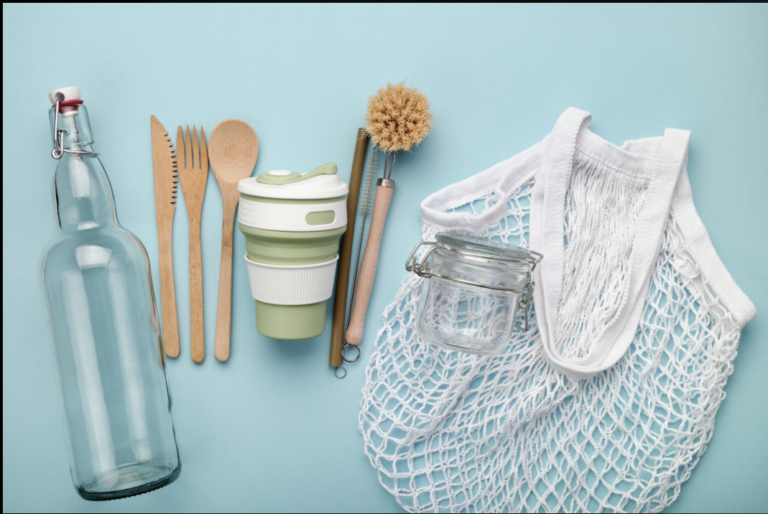
A reusable stainless-steel or durable glass water bottle is a convenient alternative. You can refill it throughout the day using a safe drinking water source.
Choose a bottle that is easy to clean, suitable for your daily activities, and comfortable to carry.
If you already own a reusable bottle, continue using it rather than buying another one simply because it has an eco-friendly design.
3. Store Food in Reusable Containers
Disposable plastic bags, cling film, and takeaway containers can quickly accumulate in kitchens.
Consider using reusable glass containers, stainless-steel lunch boxes, or suitable food-safe containers to store leftovers and prepared meals.
These alternatives can help organize your refrigerator and reduce the need for disposable food storage products.
Before buying new containers, check whether you can safely reuse suitable containers already available in your kitchen.
4. Choose Products with Less Packaging
Packaging is one of the most common sources of household plastic in the five Rs of zero waste.
When shopping, compare products with different packaging options. Choose items with less unnecessary packaging whenever practical.
For example, you might select products sold in cardboard boxes, recyclable packaging accepted by your local collection system, or refillable containers.
However, remember that packaging materials have different environmental impacts. Consider product safety, durability, transportation, and local recycling facilities rather than assuming every alternative is automatically better.
5. Switch to Refillable Cleaning Products
Household cleaning products are frequently sold in plastic bottles.
Refill stations and concentrated cleaning products can help reduce the number of disposable containers you purchase.
You can also reuse suitable refillable bottles according to the manufacturer’s instructions.
Always follow product labels, use the correct dilution, and never mix different cleaning chemicals. Safe cleaning practices should remain your priority.
6. Avoid Unnecessary Plastic Straws and Cutlery
Disposable straws, forks, spoons, and knives are often included with takeaway orders even when customers do not need them.
When ordering food, request that disposable utensils and straws be left out if you have suitable alternatives.
If you regularly eat away from home, carry reusable cutlery or a suitable reusable straw.
You do not need to use a reusable straw if you do not require one. Simply avoiding unnecessary disposable products is also a useful step.
7. Use Bar Soap Instead of Bottled Liquid Soap
Liquid handwash and body wash are commonly sold in plastic containers.
Bar soap can be an alternative, particularly when it comes with minimal packaging.
Choose a product that suits your skin and store it in a dry, well-drained soap dish. This can help it last longer and reduce waste at home unnecessary packaging purchases.
You can also explore refillable liquid soap options if you prefer liquid products.
8. Try Shampoo Bars
Shampoo bars offer another way to reduce plastic packaging in the bathroom.
Unlike many bottled shampoos, these products are often sold in paper or cardboard packaging.
Select a shampoo bar suitable for your hair type and follow its storage instructions. Keep it dry between uses to help prevent it from becoming soft.
If a shampoo bar does not work well for you, consider refillable shampoo products instead.
9. Replace Disposable Paper Towels with Reusable Cloths
Paper towels are frequently used for cleaning kitchen surfaces, wiping spills, and drying hands.
Washable cotton cloths and reusable cleaning rags can handle many of these tasks.
You can even repurpose suitable old towels or cotton clothing rather than purchasing new cleaning products.
Use separate cloths for different household tasks and wash them regularly.
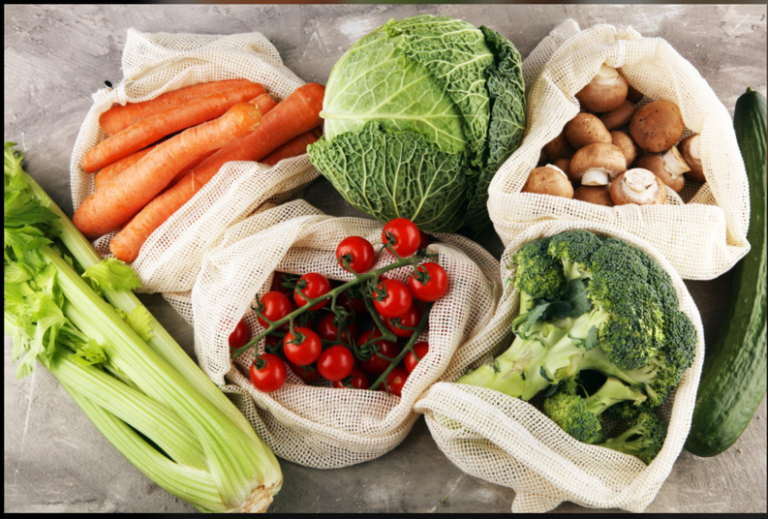
10. Carry Reusable Produce Bags
Fresh fruits and vegetables are sometimes placed in thin plastic bags during grocery shopping.
Reusable mesh or washable cloth produce bags offer another option.
Carry a few bags when visiting grocery stores or local markets. For produce that does not require additional packaging, consider placing it directly in your shopping basket.
This small habit can help reduce unnecessary plastic use during regular shopping trips.
11. Choose Reusable Food Wraps
Plastic cling film is commonly used to cover bowls and wrap food.
Reusable food covers, washable fabric wraps, and suitable silicone lids can replace some disposable food coverings.
Choose products designed for food contact and follow their cleaning instructions.
Remember that different reusable wraps have different uses. Select options appropriate for the type of food and storage conditions.
12. Reduce Single-Use Plastic in Your Bathroom
Bathrooms contain several products that may contribute to plastic waste, including toothbrushes, shampoo bottles, disposable razors, and personal care packaging.
You can gradually explore alternatives such as:
- Bamboo or durable reusable toothbrushes.
- Shampoo and conditioner bars.
- Refillable personal care products.
- Reusable makeup remover pads.
- Durable razors with replaceable blades.
Choose products based on quality, personal comfort, safety, and actual usefulness. Replace products when they reach the end of their usable life rather than throwing away perfectly functional items.
13. Buy in Bulk When Practical
Bulk shopping can help reduce packaging waste when products are available in suitable quantities.
Consider buying grains, beans, nuts, spices, and other dry foods from stores that allow customers to use reusable containers.
However, bulk shopping is not automatically the best option for everyone. Compare prices, transportation needs, food freshness, and storage requirements.
Purchase only the quantities your household can realistically use to avoid food waste.
14. Reuse Suitable Plastic Containers
Not every plastic item needs to be thrown away immediately.
Some clean, food-safe containers can be reused for appropriate storage purposes. For example, suitable containers may help organize craft materials, household supplies, or other non-food items.
Check the manufacturer’s instructions before reusing containers for food. Avoid using damaged or unsuitable plastic containers, particularly for hot food or heating.
When a plastic item can no longer be safely or practically reused, check local recycling and disposal guidelines.
15. Plan Your Shopping to Avoid Unnecessary Packaging
Impulsive shopping can lead to unnecessary purchases and additional packaging waste.
Before visiting a store, prepare a shopping list and consider which products you genuinely need.
Look for opportunities to purchase durable items, refillable products, and products with less packaging.
Planning meals in advance can also help reduce unnecessary food purchases and the packaging associated with them.
How to Reduce Plastic Waste in Every Room
You can make sustainable changes throughout your home by focusing on the products used in each room.
Kitchen
The kitchen is a useful place to begin because it often contains food packaging, disposable storage products, and cleaning supplies.
Try these changes:
- Store suitable foods in reusable containers.
- Carry reusable grocery bags.
- Avoid unnecessary disposable cutlery.
- Choose refillable cleaning products.
- Plan meals to reduce food waste.
- Use reusable food covers where appropriate.
Bathroom
Many bathroom products come in disposable packaging.
Consider shampoo bars, refillable soap, reusable makeup pads, and longer-lasting personal care products.
Choose alternatives that meet your hygiene and personal care needs.
Living Room
The living room can also become more sustainable through simple habits.
Avoid unnecessary disposable decorations, reuse suitable storage containers, repair damaged household items, and choose durable products when replacements are needed.
Laundry Area
Laundry products may come in plastic packaging.
Consider concentrated detergents, refill options, or products with less packaging when suitable. Follow washing instructions and use the correct amount of detergent.
How to Reduce Plastic Waste on a Small Budget
Living sustainably does not mean spending a lot of money on expensive eco-friendly products.
In many cases, the best changes are inexpensive or completely free.
Here are some budget-friendly ideas:
Reuse what you already have: Suitable jars, bags, bottles, and containers may already be available in your home.
Buy only what you need: Avoid purchasing new products simply because they are marketed as sustainable.
Repair instead of replacing: Extend the life of household items through basic repairs and maintenance.
Choose durable products: Compare quality and expected lifespan before purchasing replacements.
Shop locally when practical: Local markets may offer opportunities to purchase suitable products with less packaging.
Make gradual changes: Replace disposable items as they run out rather than purchasing an entirely new collection at once.
A realistic sustainable lifestyle should fit your household budget and daily routine.
Common Mistakes to Avoid When Reducing Plastic Waste
Making your home more sustainable is a gradual process. Avoid these common mistakes:
- Throwing away usable plastic products: Replacing everything immediately can create more waste. Continue using suitable items until they need replacing.
- Buying too many reusable products: Purchase only what you need and will regularly use.
- Ignoring local recycling rules: Not all plastics are accepted by every recycling program.
- Choosing products only because of their packaging: Consider durability, material, product quality, and disposal requirements.
- Forgetting to maintain reusable items: Clean and care for reusable products so they remain useful.
- Expecting immediate perfection: Focus on steady improvement rather than trying to eliminate every plastic item overnight.
Frequently Asked Questions About Reducing Plastic Waste
1. What are the easiest ways to reduce plastic waste at home?
Start by carrying reusable shopping bags, using refillable water bottles, storing food in reusable containers, and avoiding unnecessary disposable packaging. These changes are practical for many households.
2. How can I reduce plastic waste without spending money?
Reuse suitable containers, repurpose old towels as cleaning cloths, avoid unnecessary packaging, repair household products, and continue using items you already own.
3. What household items create the most plastic waste?
Common sources include food packaging, disposable shopping bags, bottled drinks, cleaning product containers, personal care packaging, and takeaway food containers. The biggest sources vary between households.
4. Is glass better than plastic for food storage?
Glass is durable, reusable, and suitable for many food-storage purposes. However, it is heavier and can break. The best choice depends on how the container is used, maintained, transported, and eventually disposed of.
5. How can children help reduce plastic waste?
Children can help carry reusable bottles, use lunch boxes, avoid unnecessary disposable products, separate suitable recyclable materials, and learn why reducing waste matters.
6. Can plastic waste be recycled at home?
Households can separate and understand recycling plastics are recyclable according to local recycling rules. Actual recycling usually takes place through collection facilities and processing systems, so check which materials your local program accepts.
7. What is the difference between reducing plastic and recycling plastic?
Reducing plastic means avoiding unnecessary plastic consumption in the first place. Recycling involves collecting and processing suitable discarded materials so they can be used again. Reducing and reusing are generally preferable before relying on recycling.
8. How can I start a plastic-free lifestyle?
Begin with one or two manageable changes, such as carrying reusable bags and choosing refillable products. Gradually address other sources of plastic waste as you develop new habits.
Final Thoughts
Learning how to reduce plastic waste at home is a practical step toward more sustainable living. You do not need to replace every household product or completely change your routine to make progress.
Start with reusable shopping bags, refillable bottles, suitable food containers, and products with less unnecessary packaging. Continue making thoughtful choices as you shop, clean, cook, and organize your home.
Small changes become meaningful habits when you practice them consistently.
A more sustainable home begins with the everyday decisions you make today.
Which of these 15 changes will you try first? Share your ideas in the comments and inspire others to reduce plastic waste too!