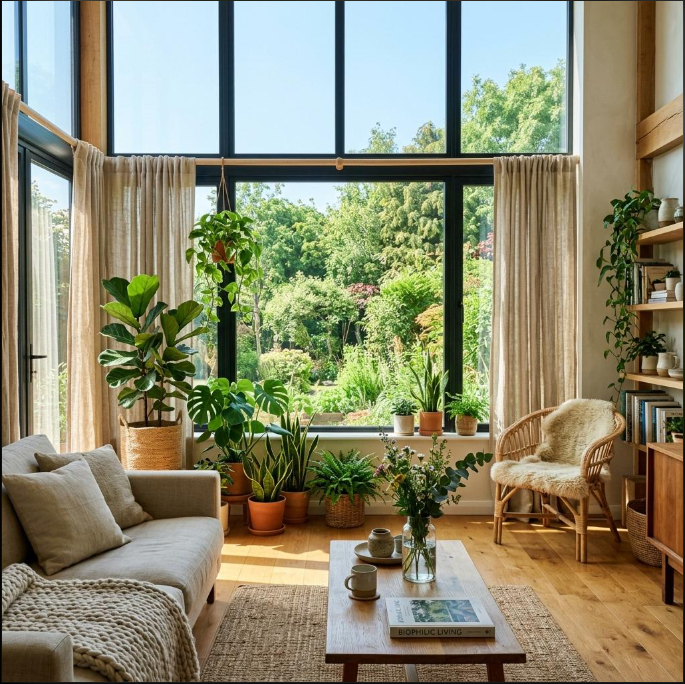
Your home is one of the best places to begin living more sustainably. From the electricity you use to the products you purchase, everyday household decisions can affect the environment. Excessive packaging, unnecessary water consumption, energy waste, and disposable products can all increase your household’s environmental footprint.
Learning how to make your home more eco-friendly does not require expensive renovations or a complete lifestyle change. Small improvements, such as switching off unused lights, reducing plastic consumption, fixing water leaks, and choosing reusable products, can make your daily routine more sustainable.
Whether you live in an apartment, a rented property, or a family house, you can introduce practical changes that support environmentally responsible living.
In this guide, you will discover 20 simple ways to create an eco-friendly home, reduce household waste, conserve natural resources, and build sustainable habits.
What Is an Eco-Friendly Home?
An eco-friendly home is a living space designed and maintained to reduce unnecessary environmental impact.
It focuses on using resources responsibly, minimizing waste, improving energy efficiency, conserving water, and choosing products that support sustainable living.
An environmentally friendly home may include:
- Energy-efficient lighting and appliances.
- Water-saving fixtures.
- Reusable household products.
- Responsible waste separation.
- Sustainable cleaning habits.
- Indoor plants and suitable natural materials.
- Better insulation and ventilation.
You do not need to implement every improvement immediately. Start with affordable changes and gradually introduce more sustainable grocery shopping solutions.
Why Should You Make Your Home More Eco-Friendly?
Creating a sustainable home offers several environmental and practical benefits.
1. Reduce Household Waste
Many households generate unnecessary waste through disposable packaging, single-use products, and poorly planned purchases.
Reusable products, responsible shopping, and proper waste separation can help reduce the amount of zero waste swaps for beginners your household produces.
2. Save Energy
Electricity is used for lighting, heating, cooling, cooking, and household appliances.
Improving energy efficiency can reduce unnecessary electricity consumption and may lower utility bills.
3. Conserve Water
Clean water is an important natural resource. Fixing leaks, using efficient fixtures, and avoiding unnecessary water consumption can help conserve it.
4. Improve Household Organization
Sustainable habits often encourage people to purchase fewer unnecessary products, reuse existing items, and organize household resources more effectively.
This can create a cleaner and more organized living environment.
5. Support a Sustainable Lifestyle
Your home is where many everyday habits begin. Making sustainable choices at home can encourage responsible behavior in shopping, transportation, food consumption, and other areas of life.
20 Practical Ways to Make Your Home More Eco-Friendly
Here are 20 realistic changes you can introduce to make your home more environmentally responsible.
1. Replace Traditional Bulbs With LED Lighting
Lighting is an important part of household electricity consumption.
LED bulbs generally use less electricity and last longer than traditional incandescent bulbs.
Consider replacing frequently used traditional bulbs with suitable LED alternatives.
Benefits include:
- Lower electricity consumption.
- Longer bulb lifespan.
- Reduced replacement frequency.
- Less energy wasted as heat compared with incandescent lighting.
Choose the correct brightness and color temperature for each room.
2. Switch Off Unused Lights and Appliances
Leaving lights and electrical devices running unnecessarily wastes energy.
Make it a household habit to switch off lights when leaving a room and turn off appliances when they are not needed.
You can also reduce standby electricity consumption by switching off suitable devices at the power outlet.
However, do not disconnect equipment that requires continuous power for safety, essential operation, or manufacturer-recommended maintenance.
3. Improve Home Insulation
Good insulation helps maintain comfortable indoor temperatures.
It can reduce heat transfer through roofs, walls, floors, and ceilings, making heating and cooling systems work more efficiently.
Depending on your property, possible improvements include:
- Roof insulation.
- Wall insulation.
- Sealing gaps around doors.
- Weatherstripping windows.
- Insulated curtains.
Choose improvements based on your local climate and the construction of your home.
4. Use Natural Light During the Day
Natural daylight can reduce the need for artificial lighting.
Open curtains and blinds during suitable daylight hours. Arrange workspaces and frequently used areas to make better use of available sunlight.
In hot climates, use appropriate shading to prevent excessive indoor heat.
This can help balance natural lighting with indoor temperature management.
5. Install Water-Saving Fixtures
Water-efficient fixtures can help reduce household water consumption.
Consider installing:
- Low-flow showerheads.
- Water-efficient taps.
- Dual-flush toilets.
- Tap aerators.
Choose products that provide suitable water pressure and meet local plumbing requirements.
Even small improvements can make a difference when used consistently.
6. Fix Leaking Taps and Pipes
A leaking tap may appear insignificant, but continuous water loss can add up over time.
Check your kitchen, bathroom, laundry area, and outdoor water connections for leaks.
Repair dripping taps, damaged pipes, and faulty toilet components promptly.
If you cannot identify or repair a leak safely, contact a qualified plumber.
7. Use Reusable Shopping Bags
Disposable shopping bags can contribute to household waste.
Keep reusable bags near your entrance, in your vehicle, or inside your everyday backpack.
Use them repeatedly instead of collecting new disposable bags during every shopping trip.
Choose durable bags that are easy to clean and maintain.
8. Reduce Single-Use Plastic Products
Many everyday household products come in disposable plastic packaging.
You can reduce unnecessary plastic consumption by choosing reusable alternatives.
Examples include:
- Refillable water bottles.
- Reusable food containers.
- Washable cleaning cloths.
- Reusable shopping bags.
- Durable food storage products.
Use existing products before purchasing replacements. The most sustainable option is often something you already own.
9. Choose Eco-Friendly Cleaning Habits
Cleaning products are part of almost every household routine.
Look for products with clear ingredient information, appropriate safety instructions, and responsible packaging.
You can also reduce unnecessary disposable cleaning materials by using washable cloths and reusable cleaning tools.
Important safety reminder: Never mix household cleaning chemicals, especially bleach with ammonia or acidic products. Follow the manufacturer’s instructions and maintain appropriate ventilation.
10. Separate Household Waste
Waste separation makes it easier to identify materials that may be suitable for recycling, composting, or other collection programs.
Create separate containers for:
- Paper and cardboard.
- Accepted recyclable plastics.
- Glass and metal.
- Organic kitchen scraps.
- General household waste.
Follow your local recycling collection rules because accepted materials differ between locations.
11. Start Composting Kitchen Scraps
Food scraps such as fruit peels and vegetable trimmings can often be composted through a suitable system.
Instead of sending every organic scrap to general waste, consider backyard composting, vermicomposting, or a local organic waste collection service.
Choose a method that suits your available space.
Read our guide on how to start composting at home for more detailed instructions.
12. Grow Indoor Plants
Indoor plants can make living spaces more attractive and connect your household with nature.
Choose plants that suit your available light, humidity, and maintenance routine.
Before purchasing plants, consider:
- How much natural light the room receives.
- How often the plant needs watering.
- Whether it is suitable around children and pets.
- How much space it requires.
Plants should not be treated as a replacement for proper ventilation or air filtration.
13. Buy Durable Furniture and Household Items
Cheap products that need frequent replacement can increase consumption and waste.
When purchasing furniture, kitchen tools, and household accessories, consider durability and repairability.
Look for products made from suitable materials with reliable construction.
You can also consider secondhand furniture, refurbished products, or repairing existing items before replacing them.
14. Use Appliances Efficiently
Household appliances can consume significant amounts of electricity.
You can improve efficiency through simple habits:
- Run washing machines with suitable full loads.
- Choose energy-efficient appliance settings.
- Clean appliance filters regularly.
- Avoid unnecessarily opening refrigerator doors.
- Use appropriately sized cooking equipment.
- Follow manufacturer maintenance recommendations.
When replacing an appliance, compare its energy efficiency, expected lifespan, and operating costs.
15. Wash Clothes Responsibly
Laundry routines can use considerable amounts of water and electricity.
To make laundry more sustainable:
- Wash clothes only when necessary.
- Use suitable cold-water cycles when effective.
- Avoid excessive detergent.
- Wash appropriate full loads.
- Air-dry clothes when weather and space allow.
- Maintain washing machines properly.
Always follow garment care labels and appliance instructions.
16. Reduce Food Waste in Your Kitchen
Food waste is an important household sustainability issue.
Plan meals, prepare realistic portions, store ingredients properly, and use suitable leftovers.
Check your refrigerator before shopping so you do not purchase ingredients you already have.
For more ideas, read our guide on how to reduce food waste at home.
17. Use Sustainable Food Storage
Disposable food storage products can create unnecessary waste.
Where suitable, use durable food-safe containers, washable bags, and reusable jars.
Glass and stainless-steel containers are useful options for many household storage needs, while other durable food-safe materials may also be appropriate.
Choose containers according to the food, temperature, and storage conditions.
18. Improve Indoor Ventilation
Good ventilation helps remove indoor pollutants, moisture, and unwanted odors.
Depending on your home’s design and outdoor air quality, you can:
- Open windows when conditions are suitable.
- Use kitchen exhaust fans.
- Maintain bathroom ventilation.
- Keep ventilation systems clean.
- Address sources of indoor moisture.
In areas with outdoor pollution, consider the timing of window opening and suitable air filtration.
19. Avoid Unnecessary Household Purchases
Buying products you do not need can increase resource consumption and household clutter.
Before purchasing something, ask yourself whether it is necessary, whether an existing item can serve the purpose, and whether a durable or secondhand option is available.
You can also borrow rarely used tools and equipment rather than purchasing them.
Mindful consumption is an important part of creating an eco-friendly home.
20. Create a Weekly Sustainable Home Routine
Sustainable living becomes easier when it is part of your regular schedule.
Create a weekly routine that includes:
- Checking for water leaks.
- Separating recyclable materials.
- Managing suitable compostable scraps.
- Cleaning reusable containers.
- Reviewing food storage.
- Switching off unnecessary electrical devices.
- Planning upcoming household purchases.
Small actions become more effective when practiced consistently.
How to Make Your Home Eco-Friendly on a Budget
You do not need to spend a lot of money to create a more sustainable home.
Start with simple, low-cost improvements:
Use natural light: Open curtains during suitable daylight hours instead of relying on artificial lighting.
Reuse existing products: Use durable bags, jars, and containers you already own.
Repair leaking taps: Fixing water leaks can prevent unnecessary water loss.
Reduce unnecessary purchases: Buy products only when you genuinely need them.
Switch off unused devices: Develop habits that reduce unnecessary electricity consumption.
Plan meals: Use available ingredients before buying more groceries.
Air-dry clothes: When practical, use natural airflow instead of an electric dryer.
You can introduce more expensive improvements, such as insulation or efficient appliances, when your budget allows.
Common Mistakes to Avoid When Creating an Eco-Friendly Home
1. Buying Too Many Eco-Friendly Products
Purchasing new products simply because they are marketed as sustainable can increase consumption.
Use what you already have before replacing household items.
2. Ignoring Product Durability
A reusable product is not automatically better if it breaks quickly or requires frequent replacement.
Consider quality, durability, and how often you will use it.
3. Forgetting About Energy Consumption
Buying environmentally marketed products is not enough if household energy use remains unnecessarily high.
Pay attention to lighting, appliances, insulation, and daily electricity habits.
4. Using Water Inefficiently
Leaving taps running or ignoring plumbing leaks can waste significant amounts of water.
Develop water-conscious habits throughout the home.
5. Trying to Change Everything at Once
Introducing too many changes immediately can make sustainable living difficult to maintain.
Start with a few practical improvements and gradually build a routine.
Frequently Asked Questions About Eco-Friendly Homes
1. What is the easiest way to make a home eco-friendly?
Start by reducing unnecessary electricity and water consumption, using reusable products, separating household waste, and avoiding unnecessary purchases. These changes do not require major renovations.
2. How can I make my home eco-friendly on a small budget?
Reuse existing household products, switch off unused lights, fix leaks, plan meals, reduce disposable packaging, and use natural daylight. These are affordable ways to begin.
3. Are indoor plants good for an eco-friendly home?
Indoor plants can improve the appearance of living spaces and provide a connection with nature. However, they should not replace proper ventilation or air-quality management.
4. How can I reduce plastic waste at home?
Use reusable shopping bags, durable food containers, refillable bottles, and washable cleaning cloths. Avoid purchasing unnecessary disposable products.
5. Do LED lights help save energy?
Yes. LED bulbs generally consume less electricity and last longer than traditional incandescent bulbs. Replacing frequently used bulbs can help reduce lighting energy consumption.
6. How can I save water in my home?
Repair leaks, install suitable water-efficient fixtures, turn off taps when not needed, and use washing machines efficiently. You can also consider collecting rainwater where legal and appropriate for permitted non-drinking uses.
7. What materials are best for sustainable home products?
Suitable materials depend on the product and how it is used. Durable wood from responsible sources, glass, stainless steel, and certain recycled materials can be useful options. Consider product lifespan, manufacturing, transport, and end-of-life disposal rather than judging by material alone.
8. Can renters make their homes more eco-friendly?
Yes. Renters can use reusable products, reduce food zero-waste kitchen ideas, conserve water and electricity, improve household organization, and choose efficient portable appliances where permitted. They can also ask landlords about repairs and energy-efficiency improvements.
Final Thoughts
Making your home more eco-friendly is a gradual process built around practical everyday decisions. You can reduce waste, conserve water, save energy, and make more responsible purchasing choices without changing everything at once.
Start with simple habits such as switching off unused lights, fixing leaks, using reusable bags, planning meals, and separating household waste.
As these habits become part of your routine, consider additional improvements that suit your home and budget.
A sustainable home is not necessarily one filled with expensive green products. It is a home where resources are used thoughtfully and unnecessary waste is reduced.