The kitchen is one of the busiest areas in any home, but it can also be a major source of everyday waste. Food scraps, plastic packaging, disposable paper towels, leftover ingredients, and single-use products can quickly fill household trash bins. Fortunately, creating a more sustainable kitchen does not require expensive renovations or a complete guide to zero waste living lifestyle change.
A zero waste kitchen focuses on reducing unnecessary waste, using resources responsibly, choosing reusable products, and making better food-storage and shopping decisions. Small changes in how you prepare meals, store ingredients, and clean your kitchen can make a meaningful difference over time.
Whether you live in a small apartment or a large family home, these 15 practical ideas will help you create a zero waste kitchen that is affordable, organized, and easier to maintain.
What Is a Zero Waste Kitchen?
A zero waste kitchen is a kitchen designed to minimize the amount of waste generated through cooking, food storage, shopping, and cleaning.
The goal is to avoid unnecessary disposable products, prevent food from being wasted, reuse suitable materials, and make thoughtful purchasing decisions.
A completely waste-free kitchen may not be realistic for every household. However, reducing avoidable waste is a practical goal that almost anyone can work toward.
Some common features of a zero-waste kitchen include:
- Reusable food storage containers.
- Cloth shopping and produce bags.
- Proper meal planning.
- Composting suitable food scraps.
- Refillable cleaning products.
- Reduced single-use plastic.
- Better food organization and storage.
- Responsible understanding recycling and disposal.
Why Should You Create a Zero Waste Kitchen?
Kitchen waste affects household budgets and the environment. Food that is thrown away represents wasted resources used in growing, processing, packaging, transporting, and preparing it.
Plastic packaging and disposable products can also contribute to pollution when they are improperly discarded.
Creating a more sustainable kitchen offers several advantages:
Less household waste: Reusable products and better planning can reduce the amount of material sent to the trash.
Lower grocery expenses: Using ingredients before they spoil and planning meals can help prevent unnecessary food purchases.
Better organization: Clearly labelled containers and organized storage make ingredients easier to find.
Reduced plastic consumption: Reusable bags, containers, and refillable products can replace some disposable alternatives.
More thoughtful habits: A sustainable kitchen encourages people to consider what they buy, use, reuse, and throw away.
15 Practical Ways to Create a Zero Waste Kitchen
1. Start with a Kitchen Waste Audit
Before purchasing new products, identify what your kitchen throws away most often.
For one week, observe the waste generated during grocery shopping, cooking, food storage, and cleaning.
You may discover that your biggest sources of waste are:
- Spoiled fruits and vegetables.
- Disposable food packaging.
- Plastic shopping bags.
- Paper towels.
- Unused leftovers.
- Single-use cleaning products.
Write down the most common items and choose two or three areas to improve first.
A simple waste audit helps you make changes based on your household’s actual needs instead of buying unnecessary eco-friendly products.
2. Use Reusable Glass Storage Containers
Disposable food bags and cling film are commonly used to store leftovers and prepared meals.
Glass containers provide a reusable alternative for many food-storage needs. They can be used for storing cooked food, grains, chopped vegetables, and other suitable ingredients.
Choose containers with secure lids and different sizes to match your storage requirements.
You do not need to replace every container immediately. Start by reusing suitable food-safe containers you already own and gradually replace disposable options when necessary.
Always check whether a container is suitable for freezing, heating, or storing particular foods.
3. Replace Paper Towels with Reusable Kitchen Cloths
Paper towels are convenient, but using disposable sheets for every small cleaning task creates additional waste.
Washable cotton cloths and reusable cleaning towels can handle many everyday kitchen jobs.
Use them for wiping counters, cleaning spills, drying dishes, and general household cleaning.
You can repurpose suitable old cotton towels or clothing into cleaning rags instead of buying new products.
Keep separate cloths for food-contact surfaces and general cleaning, and wash them regularly.
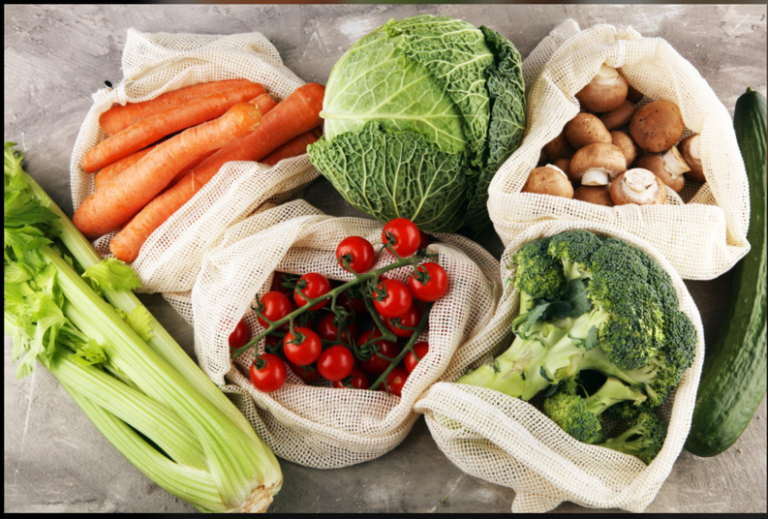
4. Buy Fresh Produce Without Unnecessary Packaging
Many fruits and vegetables are sold in plastic bags, trays, or wrapped packaging.
When practical, choose loose produce and carry reusable mesh or cloth produce bags.
Local markets may offer opportunities to purchase fresh ingredients with less packaging.
Remember that not all packaging is unnecessary. It can sometimes protect food from damage or contamination. Choose options that balance reduced packaging with food safety and freshness.
5. Plan Your Meals Before Grocery Shopping
Meal planning is one of the most useful ways to reduce food waste in a zero waste swaps for beginners kitchen.
Before shopping, check your refrigerator, freezer, and pantry. Identify ingredients that need to be used soon and build meals around them.
Create a shopping list based on the meals you plan to prepare.
For example, if you have vegetables approaching their best-before date, consider using them in soup, stir-fries, or other suitable recipes.
Meal planning can help you:
- Avoid buying duplicate ingredients.
- Use food before it spoils.
- Reduce unnecessary grocery spending.
- Prepare more organized weekly meals.
- Limit the amount of food discarded.
6. Store Food Properly to Keep It Fresh
Poor food storage can cause ingredients to spoil before they are used.
Different foods need different storage conditions. Some vegetables require refrigeration, while others are better stored in a cool, dry location.
Use suitable airtight containers for ingredients that benefit from them. Keep your refrigerator organized and check stored food regularly.
A useful habit is to place older ingredients near the front so they are easier to use first.
Follow food-safety recommendations for refrigeration temperatures, storage times, and leftovers. Never rely only on appearance or smell to determine whether potentially unsafe food is suitable to eat.
7. Create a Small Composting System
Fruit peels, vegetable scraps, coffee grounds, and other suitable organic materials can often be composted.
Composting turns accepted organic materials into a useful soil amendment instead of sending them to landfill.
You can explore several options:
- A backyard compost bin.
- A small apartment-friendly composting system.
- A community composting program.
- A local organic-waste collection service.
Check which materials your chosen system accepts. Meat, dairy, oils, and cooked foods may not be suitable for every composting method.
If you do not have outdoor space, investigate local composting services or appropriate indoor systems.
8. Replace Disposable Plastic Bags with Reusable Alternatives
Single-use plastic bags are frequently used for groceries, food storage, and carrying household items.
Reusable cloth bags and suitable reusable food-storage bags can reduce the need for some disposable alternatives.
Keep shopping bags near your front door or inside your everyday bag so you remember to take them.
Choose food-safe reusable storage products when storing ingredients and follow their washing instructions.
The best option is one you will use regularly and maintain properly.
9. Choose Refillable Dishwashing and Cleaning Products
Dishwashing liquids and household cleaners often come in plastic bottles.
Refill stations, concentrated cleaning products, and refillable containers can help reduce packaging waste.
When selecting products, compare their ingredients, packaging, price, and cleaning performance.
Always follow product instructions. Never combine different cleaning chemicals, and use products suitable for your kitchen surfaces.
10. Use Reusable Food Covers Instead of Disposable Wraps
Plastic cling film is commonly used to cover bowls, plates, and leftover food.
Reusable food covers, silicone lids, and suitable washable wraps can replace some disposable coverings.
Choose products designed for food contact and use them according to the manufacturer’s instructions.
For many storage situations, a suitable plate or reusable container lid may be enough. You do not always need to purchase a new product.
11. Buy Kitchen Essentials That Last Longer
Disposable kitchen products may seem inexpensive, but repeatedly replacing them can create unnecessary waste.
When buying replacements, consider durable products that can be repaired, cleaned, and used for a long time.
Examples include:
- Stainless-steel cooking utensils.
- Durable cutting boards.
- Reusable dish brushes with replaceable heads.
- Long-lasting food storage containers.
- Quality kitchen towels.
- Repairable kitchen equipment.
Choose products based on actual usefulness and durability rather than appearance or marketing claims.
12. Use Leftovers Creatively
Leftover food is one of the most common sources of kitchen waste.
Instead of throwing away suitable leftovers, consider how they can be incorporated into another meal.
For example:
- Cooked vegetables can be added to soups.
- Suitable leftover rice can be used in a new meal when stored and reheated safely.
- Extra bread can be used for breadcrumbs.
- Vegetable scraps suitable for cooking can be used to prepare stock.
- Ripe bananas can be used in baking.
Store leftovers promptly, refrigerate them appropriately, and follow food-safety guidance for storage and reheating.
13. Avoid Unnecessary Disposable Kitchen Products
Many disposable kitchen products can be replaced with reusable alternatives.
Consider reducing your use of:
- Disposable plates and cups.
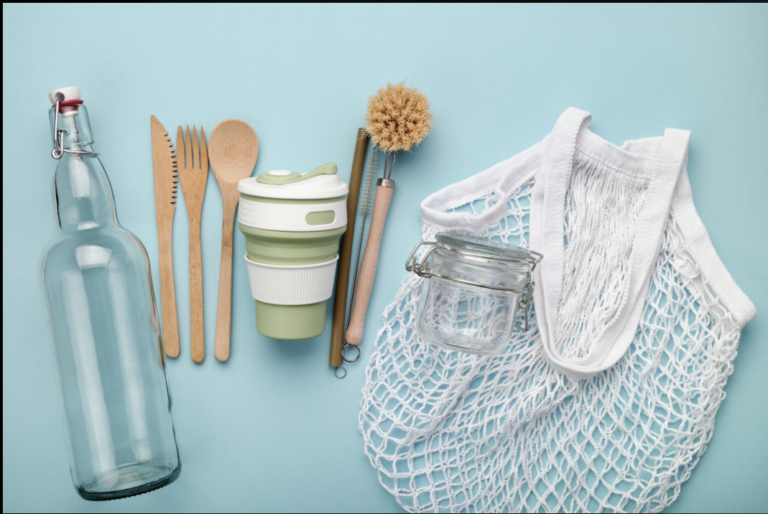
- Plastic cutlery.
- Single-use straws.
- Disposable cleaning wipes.
- Excessive paper towels.
- Disposable food storage bags.
Reusable alternatives can be helpful, but only when they suit your household and are cleaned and maintained properly.
If disposable products are necessary for accessibility, hygiene, or other practical reasons, choose them when needed without feeling pressured to eliminate everything.
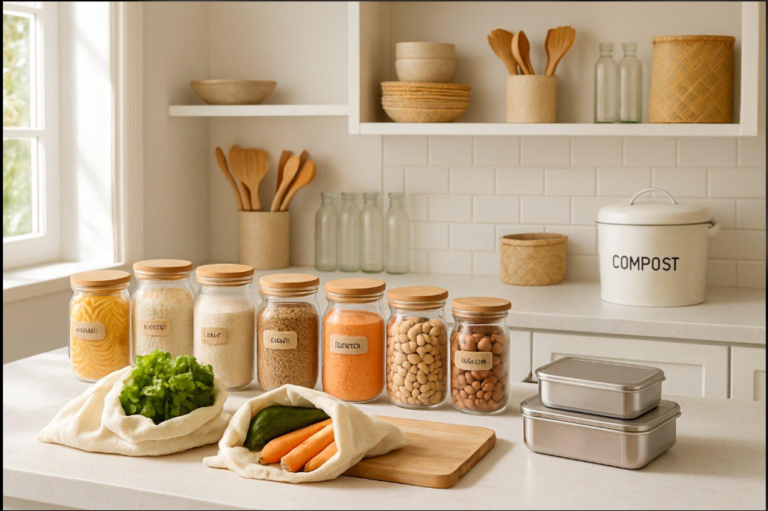
14. Organize Your Pantry with Reusable Containers
A well-organized pantry makes it easier to track ingredients and avoid buying items you already have.
Use suitable jars and food-safe containers to store dry ingredients such as rice, lentils, beans, flour, and pasta.
Label containers with the ingredient name and, where useful, the purchase or opening date.
Keep ingredients in appropriate storage conditions to protect freshness and prevent pests.
You can reuse suitable jars from products you already purchase rather than buying an entirely new set of containers.
15. Build a Sustainable Kitchen Routine
A zero waste kitchen becomes easier to maintain when sustainable habits are part of your regular routine.
Try creating a simple weekly schedule:
Daily:
- Check and organize food storage.
- Use leftovers where appropriate.
- Avoid unnecessary disposable products.
- Clean reusable kitchen items.
Weekly:
- Plan meals before shopping.
- Review ingredients approaching their use-by dates.
- Clean reusable bags and containers.
- Separate suitable recyclable materials.
Monthly:
- Review your kitchen waste habits.
- Check pantry supplies.
- Identify unnecessary purchases.
- Find additional opportunities to reduce packaging.
Consistent habits are more useful than attempting a complete kitchen transformation in one day.
Essential Zero Waste Kitchen Products
You do not need every product marketed as eco-friendly. Begin with useful items that replace disposable products you regularly purchase.
| Product | Everyday purpose |
| Glass storage containers | Store leftovers and prepared food |
| Reusable shopping bags | Carry groceries |
| Mesh produce bags | Carry loose fruits and vegetables |
| Cotton kitchen cloths | Clean surfaces and spills |
| Reusable food covers | Cover suitable food containers |
| Refillable cleaning bottles | Store compatible cleaning products |
| Stainless-steel water bottle | Carry drinking water |
| Reusable lunch box | Pack meals and snacks |
| Durable dish brush | Wash dishes |
| Compost bin | Collect suitable organic scraps |
Before buying anything, check whether you already own something that can perform the same job.
How to Create a Zero Waste Kitchen on a Small Budget
A sustainable kitchen does not have to be expensive. In fact, some of the most effective changes can save money.
Here are a few affordable ways to begin:
Reuse existing jars: Clean and reuse suitable jars for storing dry ingredients and other household items.
Repurpose old towels: Turn suitable cotton fabric into reusable cleaning cloths.
Plan meals: Purchase ingredients based on a realistic meal plan to avoid unnecessary spending and food waste.
Buy durable items gradually: Replace disposable products as they run out instead of buying everything at once.
Purchase only useful products: Avoid buying products just because they have eco-friendly branding.
Use local resources: Explore local produce markets, community composting, and refill options where available.
The most affordable five Rs of zero waste kitchen is often the one that makes better use of what you already own.
Common Zero Waste Kitchen Mistakes to Avoid
Creating a sustainable kitchen is a learning process. Avoid these common mistakes:
- Replacing everything immediately: Throwing away usable products to purchase alternatives can create additional waste.
- Buying too many containers: Purchase only what your kitchen actually needs.
- Ignoring food safety: Reusable storage products must be suitable for their intended use and cleaned correctly.
- Overlooking food waste: Reducing spoiled food can be more important than replacing every plastic product.
- Assuming all packaging is bad: Some packaging helps protect food and prevent spoilage.
- Not checking recycling rules: Local recycling programs accept different materials.
- Expecting perfection: A zero waste kitchen is about continuous improvement, not producing absolutely no waste.
Frequently Asked Questions About a Zero Waste Kitchen
1. What is the easiest way to start a zero waste kitchen?
Start by using reusable shopping bags, organizing your food storage, planning meals, and replacing disposable cleaning cloths with washable alternatives. These changes are practical and do not require a large investment.
2. How can I reduce food waste in my kitchen?
Plan meals, check your pantry before shopping, store ingredients correctly, use older items first, and find practical ways to use suitable leftovers.
3. Are glass containers better than plastic containers?
Glass containers are durable and suitable for many food-storage needs, but they are heavier and can break. Food-safe plastic containers can also be reusable. Choose suitable products based on how they will be used and maintained.
4. How can I create a zero waste kitchen on a budget?
Reuse suitable jars, repurpose old towels, plan meals, avoid unnecessary purchases, and gradually replace disposable items when they need replacing.
5. What kitchen items can I compost?
Many composting systems accept fruit and vegetable scraps, coffee grounds, and certain other organic materials. Accepted items depend on the composting method, so check its instructions before adding materials.
6. How do I reduce plastic packaging when grocery shopping?
Carry reusable bags, choose loose produce when practical, explore refill options, and compare packaging choices. Buy only the quantities you can realistically use.
7. Is a zero waste kitchen realistic for small apartments?
Yes. Apartment residents can use reusable containers, plan meals, reduce plastic waste at home disposable packaging, and explore suitable indoor or community composting options. Small spaces can still support sustainable habits.
8. Do zero waste kitchen products save money?
They can reduce repeat purchases when they replace disposable items and are used regularly. However, savings depend on product prices, durability, maintenance, and how frequently the items are used.
Final Thoughts
Creating a zero waste kitchen is about making thoughtful choices every day. From storing food in reusable containers to planning meals and composting suitable scraps, small changes can reduce unnecessary household waste.
You do not need to purchase expensive products or change every habit immediately. Start with the biggest sources of waste in your kitchen, use what you already own, and gradually introduce more sustainable alternatives.
A cleaner, more organized, and environmentally responsible kitchen begins with simple everyday decisions.
Which zero waste kitchen habit will you start today? Share your ideas in the comments and inspire others to make their kitchens more sustainable!