Bathrooms are often overlooked when people start reducing household waste. However, everyday products such as shampoo bottles, toothpaste tubes, disposable razors, plastic toothbrushes, and personal care packaging can create a surprising amount of waste over time.
The good news is that you do not need to replace everything in your bathroom to make it more sustainable. Simple changes, such as choosing refillable toiletries, using reusable products, and avoiding unnecessary packaging, can help reduce your environmental footprint.
These 20 plastic-free bathroom swaps will show you practical ways to reduce disposable plastic, make thoughtful purchases, and create a more sustainable bathroom without making your daily routine complicated.
Whether you are starting a zero waste swaps for beginners journey or looking for new sustainable habits, these alternatives can help you make gradual improvements.
What Is a Plastic-Free Bathroom?
A plastic-free bathroom is a bathroom designed to minimize unnecessary plastic consumption and packaging waste.
It focuses on choosing reusable, refillable, durable, and responsibly packaged products whenever practical.
Creating a completely plastic-free bathroom may be difficult because some medical, hygiene, and personal care products require plastic packaging for safety and accessibility. The goal is to reduce avoidable plastic rather than compromise hygiene or personal comfort.
Common features of a more sustainable bathroom include:
- Refillable personal care products.
- Shampoo and soap bars.
- Reusable cotton pads.
- Durable bathroom accessories.
- Reduced disposable packaging.
- Reusable shopping and storage products.
- Responsible recycling and disposal.
Why Should You Reduce Plastic Waste in Your Bathroom?
Many bathroom products are purchased regularly and come in disposable packaging. Shampoo, conditioner, liquid soap, toothpaste, and cleaning supplies are common examples.
Choosing reusable or refillable alternatives can reduce the amount of packaging your household purchases.
A more sustainable bathroom can offer several benefits:
Less packaging waste: Refillable products and alternatives with minimal packaging can reduce disposable containers.
Better purchasing habits: You become more aware of what you actually need before buying new products.
Longer-lasting essentials: Durable accessories can replace frequently discarded items.
Potential savings: Some reusable alternatives may reduce repeat purchases over time.
More organized storage: Choosing practical products with suitable storage arrangements can help keep your bathroom tidy.
20 Plastic-Free Bathroom Swaps That Actually Work
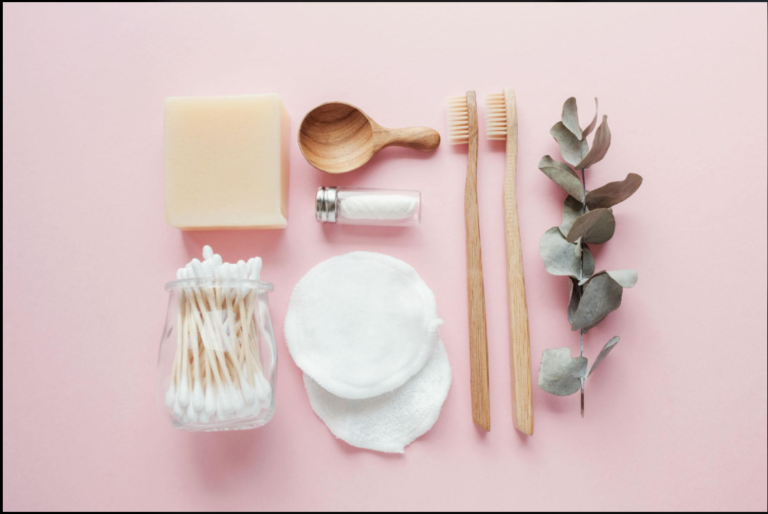
1. Replace Plastic Toothbrushes with Bamboo Toothbrushes
Traditional toothbrushes often contain plastic handles and synthetic bristles.
Bamboo toothbrushes offer an alternative with a biodegradable handle, although the bristles may still contain plastic or other non-compostable materials.
Before purchasing, check the bristle composition and disposal instructions.
For a more sustainable approach, choose a toothbrush that suits your oral health needs and replace it according to dental-care recommendations.
2. Try Toothpaste Tablets
Toothpaste tubes are commonly made from materials that may be difficult to recycle through ordinary household programs.
Toothpaste tablets are available in jars, refill packs, and other reduced-packaging formats.
They are designed to be chewed before brushing, following the manufacturer’s instructions.
Choose a product with appropriate fluoride content for your dental needs. Ask your dentist if you are unsure whether a particular alternative is suitable.
3. Switch to Shampoo Bars
Shampoo bars are one of the most popular alternatives for people trying to reduce bathroom plastic.
They are often sold without conventional plastic bottles and may come in paper or cardboard packaging.
Choose a formula that works for your hair type and scalp. Keep the bar dry between uses so it lasts longer.
If shampoo bars are not suitable for you, consider refillable shampoo bottles instead.
4. Use Conditioner Bars
Conditioner bars can replace some bottled conditioner products.
They are compact, easy to store, and often available with reduced packaging.
Follow the product instructions carefully because different conditioner bars may need different application methods.
Choose one that suits your hair texture and conditioning needs.
5. Replace Liquid Soap Bottles with Bar Soap
Liquid handwash and body wash are frequently packaged in plastic bottles.
Bar soap is a simple alternative, particularly when sold with minimal paper packaging.
Store soap in a well-drained dish to prevent it from becoming soft between uses.
Choose a soap that suits your skin and personal hygiene requirements.
6. Choose Refillable Hand Soap
If you prefer liquid hand soap, you do not necessarily need to switch to bar soap.
Refillable hand soap bottles offer another way to reduce disposable packaging.
Purchase compatible refills or use a local refill station when available.
Follow the manufacturer’s instructions for refilling and cleaning the dispenser.
7. Replace Disposable Makeup Remover Pads with Reusable Pads
Disposable makeup remover pads are often used once before being discarded.
Washable cotton or other suitable reusable pads can replace many of these products.
After use, wash them according to their care instructions and allow them to dry completely before storing.
Use a clean pad for each application and maintain proper hygiene.
8. Try a Reusable Safety Razor
Disposable plastic razors can create regular bathroom waste.
A durable razor with replaceable blades is an alternative for people comfortable using one.
Choose a suitable model and follow the manufacturer’s safety instructions.
Store replacement blades securely and follow local guidance for disposing of used blades safely.
9. Use Refillable Deodorant
Deodorant packaging can include disposable plastic containers and mixed-material components.
Refillable deodorant systems allow you to keep the outer container and replace the product insert.
Compare available refill options, ingredients, and application methods before purchasing.
Choose a product that suits your personal care needs rather than selecting one based only on its packaging.
10. Choose Refillable Moisturizer
Moisturizers are often sold in plastic tubes, bottles, or jars.
Refillable moisturizer containers may reduce the need to purchase a new outer package each time.
Some brands also offer products in glass jars or recyclable packaging.
Consider the product formulation, hygiene, shelf life, and refill availability before making a change.
11. Replace Disposable Cotton Swabs with Reusable Alternatives Where Suitable
Traditional cotton swabs often contain plastic stems.
Paper-stem alternatives may reduce plastic waste at home use, while reusable silicone cleaning tools are available for certain external uses.
Use caution with ear care. Do not insert cotton swabs or reusable cleaning tools into the ear canal, as this can cause injury or push wax deeper.
Choose products only for their intended safe use.
12. Use Reusable Menstrual Products
Some people choose reusable menstrual products as alternatives to disposable pads and tampons.
Available options include:
- Menstrual cups.
- Washable menstrual pads.
- Period underwear.
These products can reduce the number of disposable items purchased over time.
Choose according to comfort, personal preference, and health needs. Follow cleaning, storage, and replacement instructions carefully.
13. Choose Plastic-Free Dental Floss Packaging
Dental floss is often sold in small plastic containers.
Some brands offer refillable floss dispensers or floss packaged in reduced-plastic materials.
When comparing alternatives, check the floss material, packaging, and dental suitability.
Continue flossing as recommended by your dental professional. Reducing packaging should not mean compromising oral hygiene.
14. Use Reusable Towels Instead of Disposable Wipes
Disposable bathroom wipes are commonly used for cleaning surfaces and personal care.
Washable towels and cleaning cloths can replace many disposable cleaning wipes.
Keep separate cloths for bathroom surfaces and personal hygiene. Wash them regularly and follow appropriate hygiene practices.
Avoid flushing wipes, including products marketed as flushable, unless your local wastewater authority specifically confirms they are suitable.
15. Choose Refillable Body Lotion
Body lotions are commonly packaged in plastic containers.
Refillable lotion dispensers and products sold in larger refill packages may help reduce packaging five Rs of zero waste.
Choose products that suit your skin and store them according to the manufacturer’s recommendations.
16. Use a Reusable Shower Curtain
Some shower curtains and liners are made from plastic materials.
A durable, washable shower curtain made from suitable fabric can be an alternative.
Look for materials that dry properly and are appropriate for wet bathroom environments.
Wash and maintain the curtain regularly to prevent mold and mildew.
17. Choose Durable Bathroom Storage Containers
Plastic organizers, disposable packaging, and unnecessary storage products can contribute to bathroom clutter.
Consider durable glass, stainless-steel, ceramic, or other suitable storage options.
Use them for storing items such as cotton pads, toiletries, and bathroom accessories.
Make sure containers are appropriate for the environment in which they will be used, especially where water and moisture are present.
18. Replace Disposable Cleaning Products with Reusable Tools
Bathroom cleaning products often include disposable wipes and single-use cleaning pads.
Reusable brushes, washable cloths, and durable cleaning tools can handle many regular cleaning tasks.
Choose products that are easy to clean and dry between uses.
Use appropriate cleaning agents and follow product instructions. Never mix cleaning chemicals, especially bleach with ammonia or acidic cleaners.
19. Choose Products with Less Packaging
Not every sustainable bathroom change requires a special reusable product.
Sometimes the simplest option is choosing toiletries with less unnecessary packaging.
Look for:
- Paper or cardboard packaging where appropriate.
- Refill packs.
- Concentrated personal care products.
- Larger packages when they reduce total packaging and suit your usage.
- Products with clearly explained recycling instructions.
Consider the complete guide to zero waste living products rather than assuming a particular material is automatically better for the environment.
20. Reuse and Recycle Suitable Bathroom Containers
Before throwing away an empty bathroom container, consider whether it can be safely reused.
Suitable jars and bottles may be useful for organizing small household items or storing appropriate products.
However, do not reuse containers for purposes that may create hygiene or chemical-safety problems.
Check local recycling guidelines for packaging that cannot be reused.
How to Create a Zero Waste Bathroom on a Small Budget
You do not need to purchase expensive eco-friendly products to create a zero waste kitchen more sustainable bathroom.
Start with changes that fit your budget and daily routine.
Use what you already own: Continue using suitable bathroom products until they need replacing.
Replace items gradually: When a product runs out, consider a refillable or reduced-packaging alternative.
Make reusable choices carefully: Buy reusable pads, towels, and accessories only if you will use and maintain them regularly.
Compare product costs: Consider how long an item lasts, its replacement requirements, and the cost of refills.
Avoid unnecessary purchases: A sustainable bathroom should not become a collection of products you rarely use.
Choose local options where practical: Explore local shops and refill services before ordering products from far away.
Common Mistakes to Avoid When Going Plastic-Free
Making your bathroom more sustainable is a gradual process. Avoid these common mistakes:
- Replacing everything immediately: Throwing away usable products creates unnecessary waste.
- Ignoring hygiene: Reusable products need proper cleaning and maintenance.
- Buying products without checking ingredients: Personal care products should suit your skin, hair, and dental needs.
- Choosing packaging over product safety: Hygiene and health should always come first.
- Assuming all bamboo products are compostable: Components such as bristles, coatings, and adhesives may require different disposal methods.
- Buying too many reusable alternatives: Choose products you genuinely need.
- Expecting a completely plastic-free bathroom: Some plastic packaging remains necessary for safety, medical, and accessibility reasons.
Frequently Asked Questions About Plastic-Free Bathrooms
1. How can I make my bathroom plastic-free?
Start by replacing frequently purchased disposable products with suitable reusable, refillable, or reduced-packaging alternatives. Shampoo bars, bar soap, refillable dispensers, and washable cleaning cloths are practical starting points.
2. What are the best plastic-free bathroom products?
Popular options include shampoo bars, conditioner bars, refillable soap dispensers, reusable makeup pads, durable razors, and reusable towels. Choose products based on your personal needs and how regularly you will use them.
3. Are shampoo bars better than bottled shampoo?
Shampoo bars can reduce packaging waste, especially when sold without plastic containers. However, the best option depends on the formula, ingredients, hair type, product lifespan, and packaging.
4. How can I reduce plastic waste in my bathroom on a budget?
Use existing towels, choose bar soap, refill suitable containers, avoid unnecessary personal care purchases, and gradually replace disposable items when they run out.
5. Are bamboo toothbrushes completely plastic-free?
Not always. Some bamboo toothbrushes have synthetic bristles or other components that contain plastic. Check the manufacturer’s material and disposal information before purchasing.
6. Can reusable makeup pads replace disposable cotton pads?
Reusable makeup pads can replace many disposable pads for removing makeup and applying suitable skincare products. Wash them regularly according to their care instructions.
7. What can I use instead of disposable razors?
A durable razor with replaceable blades is one alternative. Choose a product suitable for your needs and follow its safety and blade-disposal instructions.
8. Is a zero waste bathroom expensive?
It does not have to be. You can begin with inexpensive changes, such as using refillable products, washing reusable towels, and avoiding unnecessary purchases. Gradual improvements help keep costs manageable.
Final Thoughts
Creating a more sustainable bathroom does not require an expensive makeover or a completely new collection of toiletries. These 20 plastic-free bathroom swaps offer practical ways to reduce unnecessary packaging while maintaining your personal hygiene and daily comfort.
Start with products you use regularly, choose alternatives that genuinely meet your needs, and make changes gradually. Refillable containers, reusable towels, shampoo bars, and durable bathroom essentials can all contribute to a more responsible household routine.
Remember that sustainable living is about making consistent improvements rather than achieving perfection.
Which plastic-free bathroom swap would you try first? Share your favorite sustainable bathroom ideas in the comments and inspire others to reduce waste!